









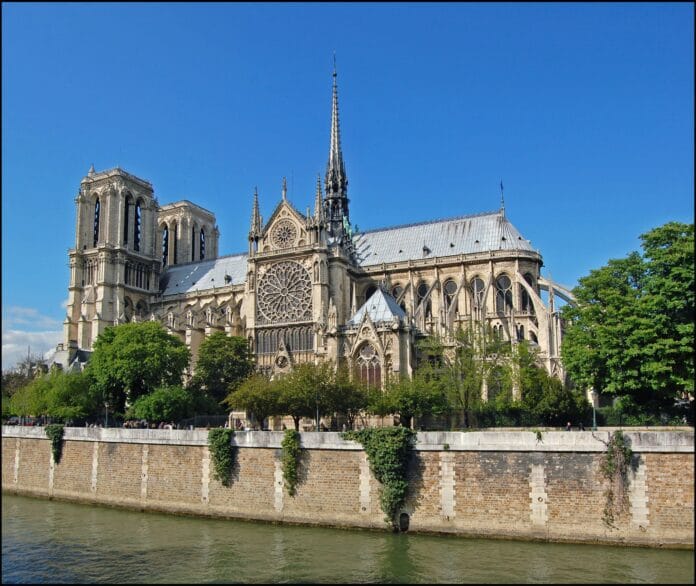
Imagine this: you're standing in front of Notre-Dame on a Saturday morning, and the line stretches across the square. Around you are Japanese tourists, an American family, and French people from the provinces. They all share the same eagerness: to discover this monument resurrected from the ashes. A year after its spectacular reopening, the numbers speak for themselves: 11 million visitors have passed through its doors. To give you an idea, it's as if the entire country of Belgium had turned out to admire this Gothic marvel.
This success has exceeded all expectations. Before the devastating fire of April 15, 2019, Notre-Dame welcomed between 8 and 9 million visitors annually. Today, it boasts an increase of at least 301 million. How can this surge in popularity be explained? What attracts so many people? And above all, how can this massive influx be managed while preserving the soul of the place?
A spectacular revival: the figures that tell the story of success
The triumphant return on December 7, 2024
The date will remain etched in history. On that day, Emmanuel Macron and Donald Trump They gathered side by side to celebrate the reopening. The ceremony was broadcast worldwide, transforming Notre-Dame into a universal symbol of resilience.
Think about it for a moment: five years and seven months after the fire, the cathedral was reborn. The flames had ravaged its roof and its framework – that medieval forest of oak beams. The images had circled the globe, provoking worldwide emotion. Parisians wept in the streets, tourists were in shock.
The colossal construction project
To give you some perspective, here's what 843 million euros in donations represent:
- More than 340,000 donors worldwide
- Contributions ranging from a few euros to millions
- An unprecedented international mobilization
- A budget managed with total transparency
The teams worked tirelessly, facing considerable technical challenges. Restoring a 12th-century cathedral is not like renovating a modern building. Every stone has its story, every architectural detail matters. The craftsmen had to combine ancestral techniques with technological innovations.
Visitor dynamics: a viral phenomenon
Here's what makes those 11 million truly impressive: they represent an average of 30,000 people per day. Every day, the equivalent of a small football stadium passes through these centuries-old gates.
Peak periods
Weekends are clearly the busiest times. The lines get longer, but according to officials, "the queue is perfectly satisfactory." In other words: manageable, organized, and flowing smoothly. Far from the chaos one might imagine.
For individual visitors, two options exist:
- Arrive without a reservation and wait
- Book online to save time
Entry remains free, a fundamental principle for the Diocese of Paris. Rachida Dati, the Minister of Culture, had suggested a contribution of 5 euros. This proposal was rejected. The Church maintains its course: unconditional welcome is paramount.
The before-and-after comparison: why this boom?
Several factors explain this surge in attendance:
The post-disaster curiosity effect People want to see this restored masterpiece with their own eyes. It's human nature. When something almost disappears, we realize its value. Paradoxically, the fire has created a stronger emotional connection.
The quality of the catering Visitors discover a transformed cathedral. The golden stone gleams, free from decades of pollution. The minimalist furnishings highlight the Gothic architecture. It's as if they've stepped back in time, rediscovering Notre-Dame in its 13th-century splendor.
Global media coverage The reopening generated millions of articles, social media posts, and TV reports. This unprecedented visibility transformed Notre-Dame into a must-see destination. Influencers, celebrities—everyone wants their picture taken in front of the facade.
The cultural offering has been enhanced. The cathedral is not resting on its laurels. It now offers:
- A Provençal nativity scene with around fifty figurines (until February 2nd)
- The Crown of Thorns is on display every Friday from 3pm to 6:30pm (previously only on the first Friday).
- Regular spiritual and cultural events
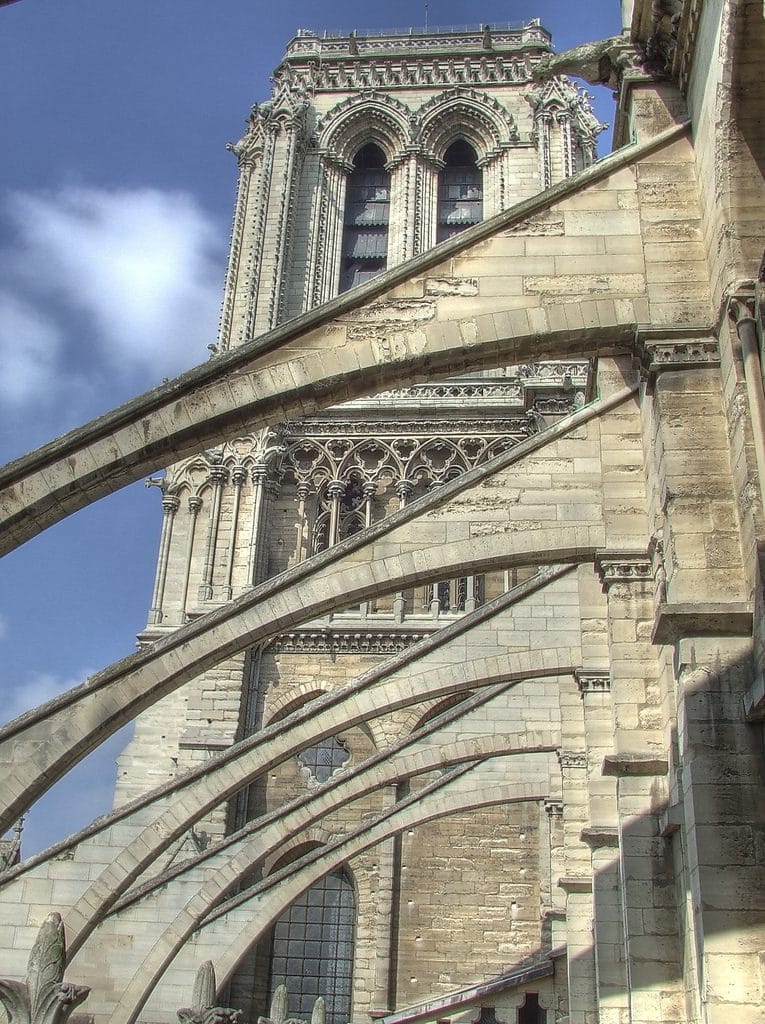
The visitor experience: between spirituality and cultural tourism
Preparing your visit: practical advice
Planning a visit to Notre-Dame? Here's how to optimize your experience.
Choosing the right time Avoid weekends if you hate crowds. Tuesday and Wednesday mornings are generally quieter. Also, try to visit outside of school holidays.
The best time to go? Right after opening or late afternoon. Tourists have their routines: they arrive mid-morning, leave for lunch, and return in the early afternoon.
To book or not to book? Booking in advance has obvious advantages:
- Priority line
- Guaranteed schedule
- Less stress
Without a reservation, expect a wait of between 30 minutes and 2 hours depending on how busy it is. But you retain the flexibility to adapt your schedule.
Must-sees Take the time to admire:
- The restored blond stone, almost luminous
- The dizzying Gothic vaults
- The minimalist choir that highlights the architecture
- The historic stained glass windows (pending those by Claire Tabouret)
- The rose window, a masterpiece of the Middle Ages
Feel free to simply sit for a few minutes. The cathedral's exceptional acoustics create a unique atmosphere. You might hear Gregorian chants, the murmur of prayers, or the reverent silence of visitors.
The delicate balance: place of worship vs. tourist attraction
This question is a recurring theme for all popular religious websites. How can the two missions be reconciled?
The vision of the diocese For religious leaders, the priority remains clear: Notre-Dame is first and foremost a church. A place of prayer, celebration, and contemplation. Tourism must never overshadow this primary purpose.
In practical terms, this means:
- Maintain daily services
- Preserve spaces of silence
- Train guides to respect the sacred
- Reject all excessive commercialization
The experience of the faithful Married, A 45-year-old regular parishioner testifies: "At first, I was afraid that the crowds would turn Notre-Dame into a museum. But the teams manage it well. There's always a corner where I can sit quietly to pray."«
This cohabitation works thanks to simple rules:
- Silence requested throughout the cathedral
- Areas specifically dedicated to prayer
- Visits will be suspended during major religious services.
- Visitors must be discreet
Respectful tourists The majority of visitors understand and respect the sacred nature of the place. Even without being believers, they perceive the spiritual importance of Notre-Dame. The few instances of inappropriate behavior (noisy selfies, unsuitable clothing) remain the exception.
The new attractions: what's really changing
The crown of thorns: a more accessible treasure Previously, you had to come on the first Friday of the month to admire it. Now, every Friday from 3 p.m. to 6:30 p.m., you can contemplate this exceptional relic. For Christians, It is one of the most revered relics in the world, believed to have originated from the Passion of Christ.
The exhibition respects the sacred nature of the object while allowing the public to get close to it. An interpretive display explains its history, its meaning, and its journey through the centuries.
The Provençal nativity scene: tradition and craftsmanship Until February 2nd, around fifty santons (Provençal figurines) depict the Nativity in the Provençal style. This is significant: these handcrafted figurines perpetuate a centuries-old tradition. Each santon is unique, hand-painted, and dressed in authentic fabrics.
For children, it's magical. They discover ancient trades (the miller, the baker, the shepherd), traditional costumes, and a popular representation of the Nativity.
The future stained-glass windows by Claire Tabouret The announcement sparked debate. At the end of 2026, the contemporary artist will install her creations to replace six bays in the south aisle designed by Viollet-le-Duc in the 19th century.
Some cry scandal: touching Viollet-le-Duc, the emblematic architect who saved Notre-Dame in the 19th century? Unthinkable! Others applaud: a living cathedral must evolve with its time.
The full-size models on display at the Grand Palais from Wednesday will allow the public to form their own opinion. It's a transparent and intelligent approach. Before permanently installing these stained-glass windows, it makes sense to test the public's reaction.
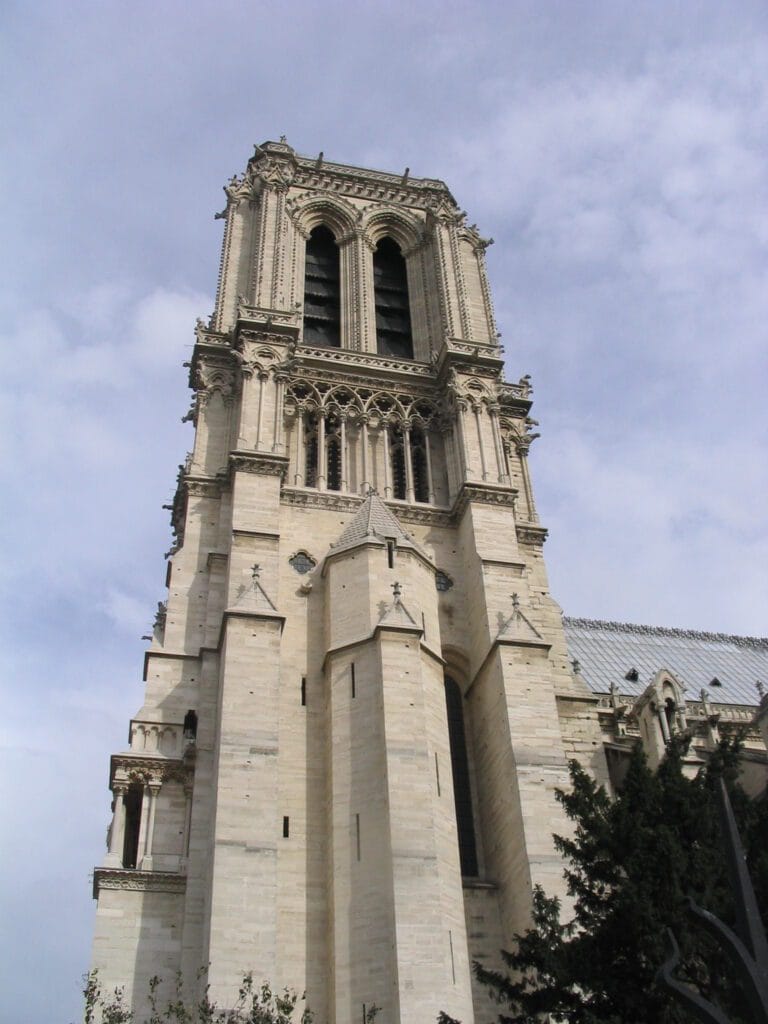
The challenges of tomorrow: preserving and enriching heritage
Long-term projects: 2030 and beyond
The reopening was just one step. The construction work continues, invisible to visitors but essential.
The schedule of operations Officials are talking about work "until beyond 2030." In other words: at least five more years of restoration. On the agenda:
- The bedside (already underway): this rear section of the cathedral requires special attention
- The sacristy These outbuildings were damaged by the fire.
- The three large roses These monumental circular stained-glass windows require extreme care.
- The north and south facades of the transept The exterior stones are subject to pollution and weathering.
- The rectory historic residence that deserves restoration
Each construction site adheres to strict protocols. Nothing is rushed. The craftsmen work stone by stone, respecting medieval techniques when possible, innovating when necessary.
Long-term financing The 843 million donations only cover the first phase. For the subsequent phases, several funding sources will be combined:
- The remaining donations still available
- Public subsidies
- Institutional sponsors
- Potentially, new targeted donation campaigns
The French state and the Church are working hand in hand. The project's governance combines technical expertise, rigorous financial management, and respect for heritage.
Managing crowds: innovative solutions
With 30,000 daily visitors, it's a major logistical challenge. How can we avoid turning Notre-Dame into a factory?
Technologies at the service of the flow
- Online ticketing : avoids endless queues
- Mobile application : guides visitors, gives them real-time information
- Flow sensors : allow us to adjust the reception according to the number of visitors
- Redesigned signage : facilitates traffic flow, avoids traffic jams
Form the teams Volunteers and staff receive specific training:
- Managing large crowds
- Cultural mediation
- Intercultural sensitivity (visitors from all over the world)
- FIRST AID
- Crisis management
These training programs transform simple caretakers into true ambassadors for the place.
Create alternatives To ease congestion at the cathedral, Paris is developing complementary routes:
- Tours of the towers (separate from the main monument)
- Adjacent archaeological crypt
- Notre-Dame Museum
- A walk through the historic district
The idea? To offer an enriched experience that is not limited to the twenty minutes in the cathedral.
The international dimension: to have an impact on the world
Notre-Dame no longer belongs solely to Paris or France. It has become a universal symbol.
A restoration model The project has inspired other projects around the world. The techniques developed, the innovations, and the solutions found serve as a benchmark. Foreign delegations come to study the methods used.
Imagine: a Brazilian architect in charge of a colonial church, a Japanese curator in charge of an ancient temple, both come to Paris to learn. French expertise shines brightly.
Cultural diplomacy The 11 million visitors from "all over the world" (as officials specify) create invisible but powerful bonds. A Korean tourist, moved by his visit, returns home with a positive image of France. An American family shares their experience with their loved ones. Soft power works this way: gently, culturally.
Academic partnerships Universities are studying the Notre-Dame phenomenon:
- Sociologists analyzing religious tourism
- Architects documenting restoration techniques
- Historians exploring the archives
- Economists measuring the impact of tourism
This research enriches our understanding of heritage, its preservation, and its transmission.
Ethical questions: free or paid?
The debate over the 5 euro contribution comes up regularly. Let's examine the arguments.
Why remain free? The diocese upholds three principles:
- Unconditional welcome : fundamental mission of the Church
- Equal access : not to create financial discrimination
- The sacred character Prayer cannot be bought or sold
These arguments strike at the heart of Christian identity. Jesus drove the merchants out of the Temple. Charging admission to a church goes against this tradition.
Why consider a price? Practical arguments also exist:
- Funding ongoing maintenance
- Regulating the flow (a reduced tariff for mass tourism)
- Value the experience (what is free sometimes seems less valuable)
- To align with other European sites (Sagrada Familia, St. Mark's in Venice both charge admission)
Other European cathedrals have opted for paid admission without losing their soul. The Sagrada Familia in Barcelona charges 26 euros. St. Mark's in Venice requires a ticket. These monuments remain respected places of worship.
A possible compromise? Some suggest intermediate solutions:
- Free entry for worshippers
- Suggested contribution (not mandatory) for tourists
- Price for specific areas (towers, treasury, crypt)
- Donations facilitated via electronic terminals
These hybrid models preserve the fundamental free access while generating resources.
Preserving the soul of the place in the face of success
The real challenge is not technical or financial. It is spiritual, cultural, human.
Avoid museumification Notre-Dame must not become a dead museum. It remains a living church, Vibrant and active. The daily services remind us of this. Baptisms, weddings, and funerals continue. The Christian community gathers there.
Maintaining emotion What touches visitors, believers or not, is the atmosphere. This Gothic verticality that lifts the gaze. This light filtered through the stained-glass windows. This profound silence. These stones laden with centuries-old prayers.
Preserving this emotion requires vigilance and respect. An advertising billboard, aggressive commerce, or an overly industrial organization would kill the magic.
Passing on to future generations Our responsibility transcends our generation. We are temporary custodians of a thousand-year-old heritage. The children who visit Notre-Dame today will become the guardians of tomorrow.
This transmission occurs through education, awakening, and wonder. Explaining to young people why these stones matter. Telling them about the medieval builders, popular devotions, and historical events. Creating an emotional connection that transcends centuries.
A year after its reopening, Notre-Dame de Paris embodies something rare: the triumph of beauty over destruction, of hope over despair, of the collective over individualism. These 11 million visitors don't just come to see a monument. They come to touch the universal, to connect with a story that transcends them.
The gamble was audacious: to restore in five years what the flames had destroyed in a few hours. It was won. Now begins a challenge perhaps even greater: to ensure Notre-Dame's survival for centuries to come, despite its success, despite the crowds, despite the tensions between preservation and innovation.
So, if you haven't yet visited the Renaissance cathedral, plan your visit. Take the time to sit, gaze up at those centuries-old vaults, and feel the weight of history. You'll understand why so many people flock to its doors. You'll join that human chain that, since the 12th century, has passed on the flame of wonder.
Notre-Dame does not belong to us. We belong to it, for the duration of our visit. And that's perfectly fine.