












Gospel of Jesus Christ according to Saint Luke
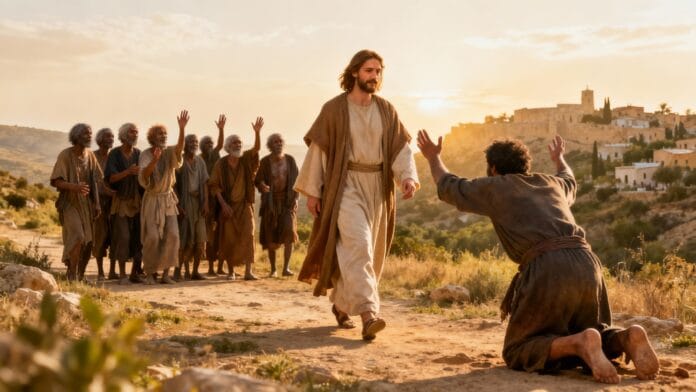
At that time, Jesus, on his way to Jerusalem, was passing through the region between Samaria and Galilee. As he arrived in a village, ten lepers came to meet him. They stood aside and shouted to him, «Jesus, Master, have mercy on us!»
When Jesus saw them, he said, «Go and present yourselves to the priests.» And as they went, they were healed.
One of them, seeing that he was healed, turned around, praising God aloud. He knelt at Jesus' feet with his face to the ground, thanking him. Now this man was a Samaritan.
Then Jesus asked, «Were not all ten healed? Where are the other nine? Has only this foreigner returned to give praise to God?»
Then he said to him, «Get up and go; your faith has saved you.»
To retrace one's steps and give glory to God
Learning saving gratitude: the healing of the Samaritan as a path of faith, recognition, and inner transformation.
The story of the Samaritan leper, the only one to return to thank Jesus, is more than a scene of miraculous recognition: it is a living parable of faith turning back to its source, of praise as an act of freedom, and of gratitude as the language of salvation. Intended for those seeking to unite contemplation and action, this article explores how giving glory to God transforms human wounds into places of inner resurrection.
- Gospel context: a miracle on the road
- Analysis: Gratitude as a sign of faith
- Themes: faith, recognition, and otherness
- Practical applications in our spheres of life
- Spiritual and traditional resonances
- Daily meditation track
- Current Challenges of Christian Gratitude
- Liturgical prayer and commitment
- Conclusion and simple practices
Between Samaria and Galilee: a border where God passes
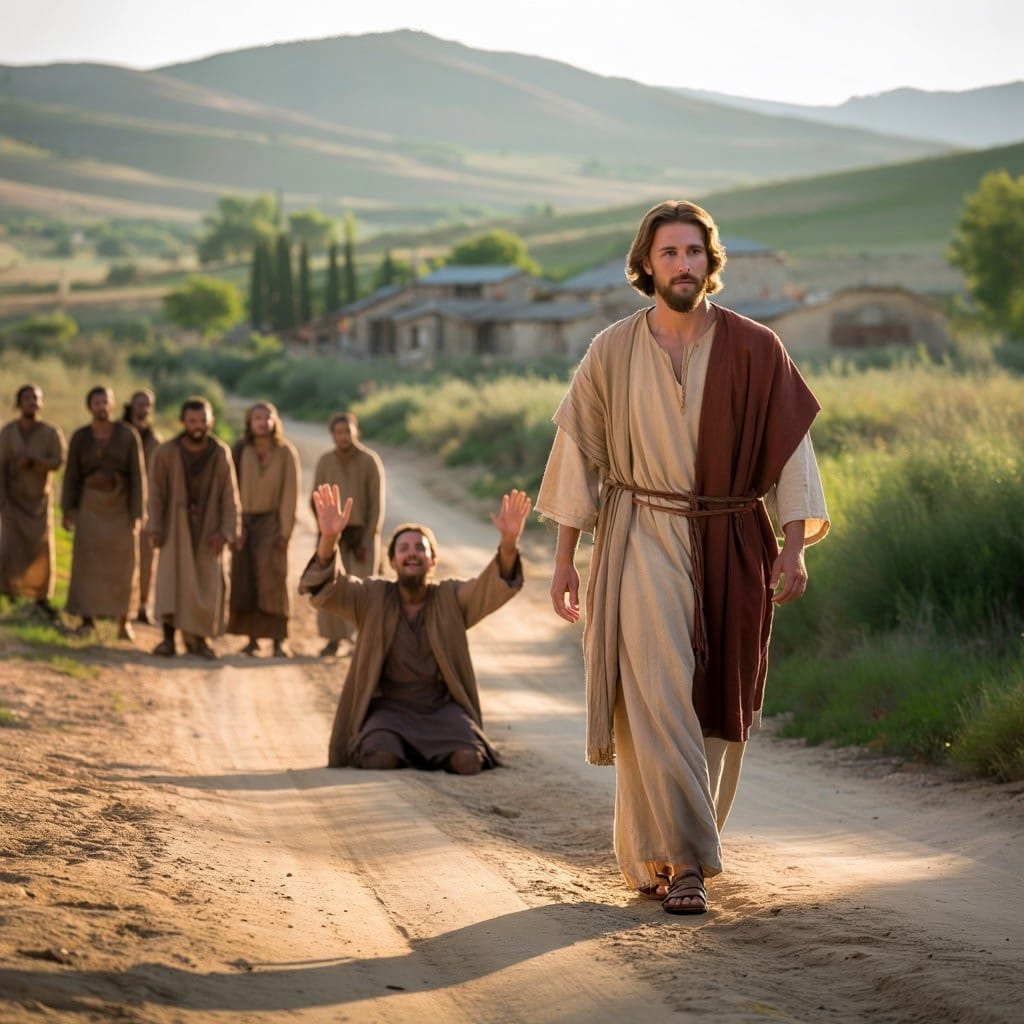
The passage of the’Gospel according to Saint Luke (17:11-19) is part of Jesus' great journey to Jerusalem. He crosses a geographical and symbolic area: between Samaria and Galilee, between loyalty of Israel and the marginalized foreigner. This border is not a coincidence, but a place of revelation: it is in these margins that grace operates most visibly.
Ten lepers, kept apart according to the Law, cry out to Jesus: «Master, have mercy on us!» This cry is not merely a plea for physical healing, but a quest for recognition, a supplication for existence. Jesus does not touch them, does not utter any dramatic pronouncements: he sends them to the priests. In other words, he sets them on the path toward communal and spiritual recognition.
But one detail changes everything. One of them, seeing that he is healed, turns back. He doesn't continue toward the temple; he returns to the Source. He prostrates himself, glorifies God, and gives thanks: he has understood that the true sanctuary is now found in the person of Christ. And Jesus, astonished, emphasizes: "Was no one among them found to return and give glory to God except this foreigner?" Then he pronounces these words of deliverance: "Rise and go; your faith has healed you."«
Luke skillfully situates this miracle within the dynamic of the approaching Kingdom. Between distance and closeness, between exclusion and adoration, the narrative reveals the newness of the Christian faith: a faith that recognizes gratitude as the sign of salvation. This text acts as a mirror: are we among those who receive and pass away, or among those who return to give thanks?
Gratitude, a sign of visible faith
The key to the transition lies in a dual dynamic: the purification And the return. All are purified by obeying Jesus' word, but only one is saved because he returns. This distinction between healing and salvation structures the entire narrative. Healing is a gift from God; salvation is humanity's response.
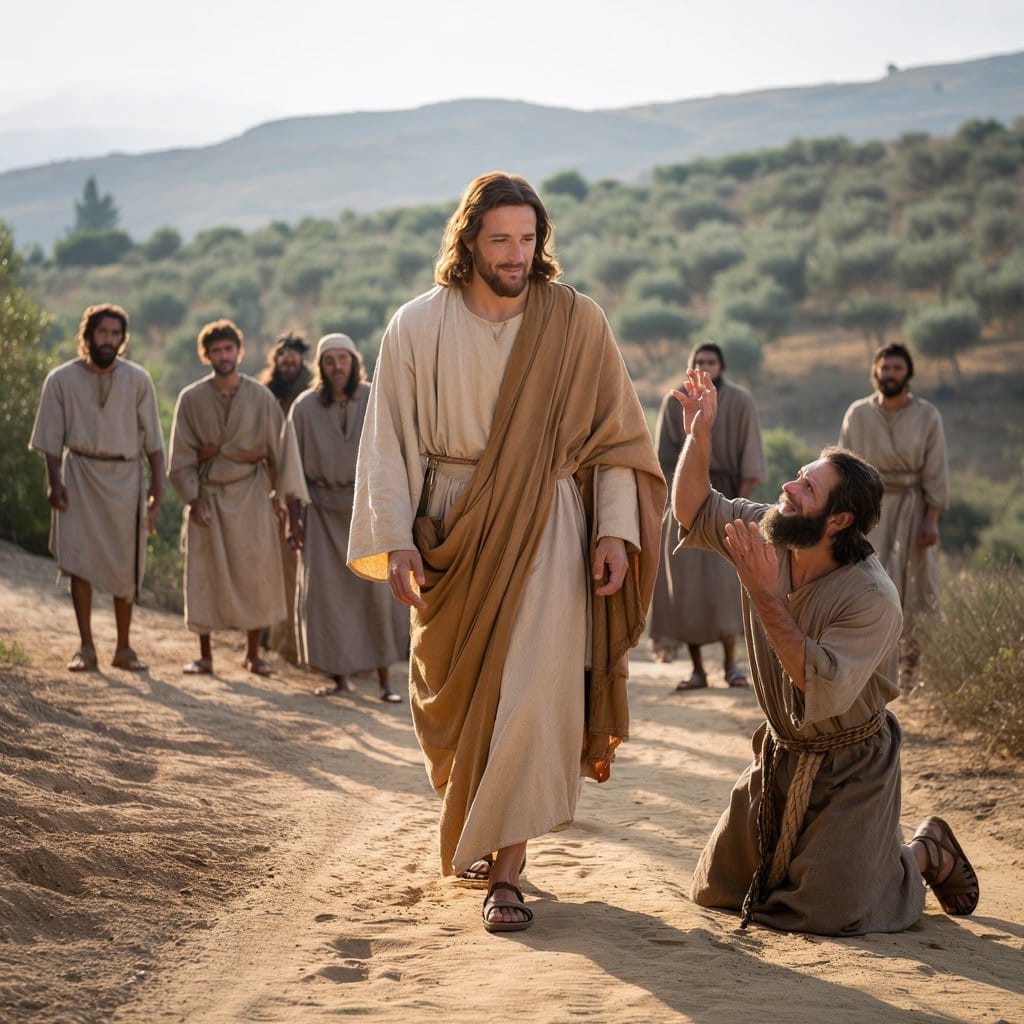
The one who returns does not seek further; he already recognizes. His return marks a conversion of perspective: he moves from asking to praising. By glorifying God aloud and falling at Jesus' feet, he does what every believer is called to do: recognize that the gift received reveals the Giver. This gratitude is not mere politeness; it is an act of faith. Faith here becomes lived recognition, a restored relationship.
The Samaritan is called a "stranger." This word is theological: it symbolizes the one whom religious people keep apart, but whom God welcomes first. This overturns our usual perspective. God delights in manifesting his glory in what seemed impure, abnormal, unexpected. Jesus deliberately highlights this reversal: true recognition often arises in those who have experienced hurt and exclusion.
The story ends with a verb: "Get up." This term, in biblical Greek, refers to the resurrection. This is not simply a beginning; it is a passage from death to life. The healed leper becomes an image of restored humanity, called to celebrate. Gratitude transforms healing into salvation; it leads the purified body to a resurrected heart.
Thus, the Gospel teaches that gratitude is not an accessory of the spiritual life, but its vital center: it expresses the awareness of grace and opens the door to communion.
Faith on the road – Believe before you see
The lepers obeyed without proof. Jesus told them, «Go and show yourselves to the priests.» They went, still sick. This obedient faith, set in motion before the result, illustrates pure trust. The miracle occurs «along the way,» not after a prior sign. Luke emphasizes this active faith that precedes consolation.
Christian faith is not about waiting for proof, but about trusting in the Word. It is not about passivity, but about walking. God blesses trust in progress, even when it crosses gray areas, between Samaria and Galilee, between doubt and hope. As long as we move forward in the given direction, purification can occur.
Recognition – Praise stronger than fear
When the Samaritan returns, he doesn't make a moral detour, but a theological act. He recognizes the presence of God in Jesus' face. His glorifying voice expresses the faith that sees. This spontaneous praise breaks the silence imposed by leprosy. The one who once had to keep his distance now draws near to touch Christ with his gratitude.
Gratitude here becomes a liberation of language: it allows man to become a subject again, no longer an object of shame. The one who gives thanks breaks down spiritual solitude. In our lives, gratitude broadens our perspective, frees us from resentment, and restores confidence. It is the breath of the soul.
Otherness – The foreign theologian of faith
The most surprising thing is that the only one to recognize God is a Samaritan. This is neither chance nor provocation, but a call to the catholicity of salvation. True faith is often born outside of established frameworks. The stranger becomes an interpreter of the mystery: he understands without having learned the codes.
Within the Church, this resonates as a constant invitation to welcome the faith of the marginalized, the wisdom of the excluded, the gratitude of the poor. Here, Jesus values faith that has no status, but that expresses itself in truth. The stranger becomes the model of adoration, not because of his origin, but because of his return.
Gratitude that transforms our spheres of life
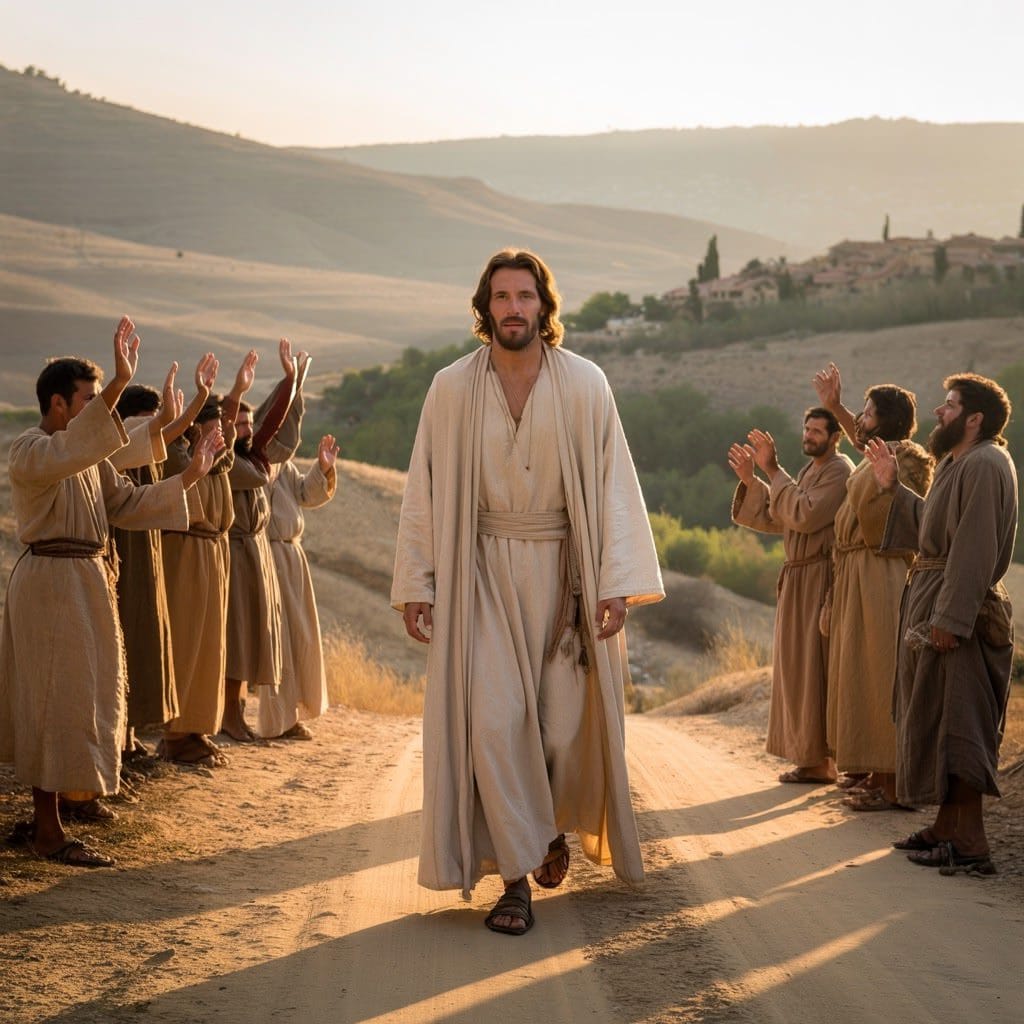
- Personal life: Cultivating gratitude transforms the way we look at our past. Thanking God each evening for even the smallest thing trains the heart to see grace in everyday life.
- Family life: Giving thanks within the family teaches us to see others not as given, but as gifts. Relationships become more peaceful when gratitude becomes a shared language.
- Community life: In parishes or groups, knowing how to name the graces received makes the community a place of joy. Shared gratitude creates unity and missionary dynamism.
- Social life: A Christian culture of gratitude stands in opposition to a spirit of envy and resentment. It is a political act of the Kingdom: to acknowledge kindness received as a transformative force.
- Spiritual life: Giving thanks in times of trial, in the manner of Saint Paul, opens a space for the consolation of the Spirit. This is not to deny the pain; it is to recognize that no situation is without divine presence.
The sacrifice of praise in the biblical tradition
From Psalm 49, "He who offers the sacrifice of praise glorifies me," biblical tradition links gratitude to true worship. In the history of salvation, God desires not material offerings, but a heart turned toward him.
The Church Fathers, like Saint Augustine, They see in the Samaritan the symbol of restored humanity: "He returns because he understands that the grace received transcends the healed body." Saint John Chrysostom reminds us that "to give thanks is to prolong the gift; your gratitude attracts other graces.".
Theologically, this passage illustrates the dynamic of salvation through faith: purification is already a free gift, but it becomes fullness when accompanied by gratitude. This is the very structure of the Eucharist: in Greek, eucharistia means "thanksgiving." The Samaritan's gesture prefigures the Eucharistic people called to remember, to return to Christ, and to fall at his feet not out of obligation, but out of love.
In spiritual theology, this recognition inaugurates the Paschal conversion: moving from request to praise, from need to communion. Thus, gratitude is no longer a peripheral virtue, but the theological locus of salvation.
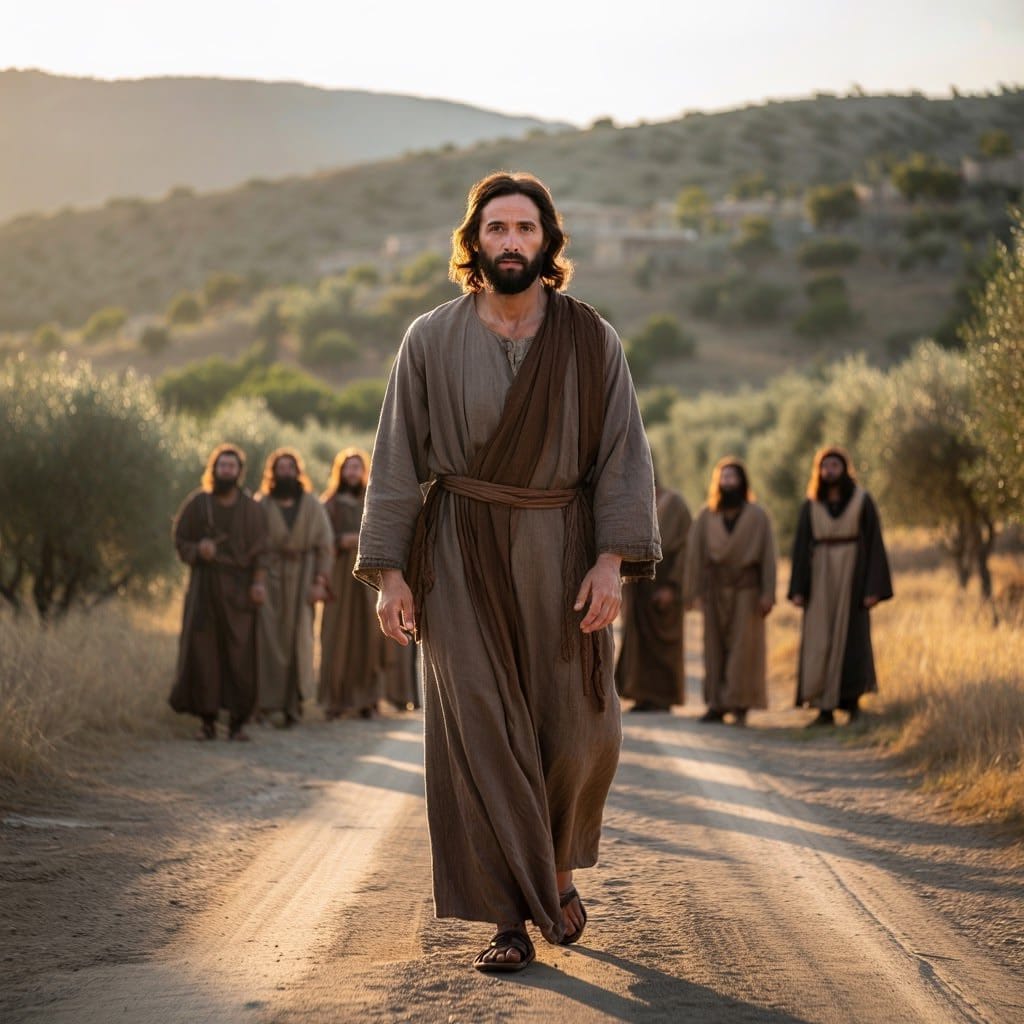
Retracing one's steps: an exercise in recognition
- Reviewing his day In the evening, visualize the journey you have taken. Where have I experienced the presence of Christ?
- To name a grace : write or say aloud one single reason for gratitude.
- To “turn around” internally : in prayer, return to the Source rather than to the simple result.
- Expressing praise : to sing or recite a psalm of thanksgiving.
- Turning gratitude into a mission : to share, through a gesture or a word, the recognition received.
This humble, daily practice builds a Eucharistic heart. Little by little, we discover that gratitude is not an effect of happiness, but a path that leads to it.
Christian Responses to the Wounds of Gratitude
Our era values performance more than recognition. Yet gratitude implies slowness, memory, and humility. In a society where everything is meritocratic, giving thanks seems like weakness. Yet, without gratitude, joy becomes impossible.
First challenge: the pace. We no longer take the time to "retrace our steps." Yet, gratitude requires this movement of return.
Second challenge: the comparison. It stifles praise. Looking at what others have makes us forget what God has given us.
Third challenge: the suffering. It is difficult to give thanks in the midst of hardship. But it is precisely then that faith shines brightly. Saint Paul says, "Give thanks in all circumstances." Not because everything is perfect, but because God is present.
Faced with these challenges, the Church proposes to reconnect with the liturgy of gratitude blessings, community testimonies, spiritual memories. This return of "thank you" as a prayer is the foundation. peace inner peace and disarms sadness.
Christian gratitude is a prophetic act: it opposes the logic of lack with the logic of giving. In a world saturated with words, it restores to silence and speech their true value.
Prayer – Thanksgiving
Lord Jesus Christ,
You who hear the cry of those who stand at a distance,
teach us to recognize your presence in our uncertain steps.
Like the Good Samaritan, make us retrace our steps,
their arms laden with a single word: thank you.
When our voices fall silent with weariness, place in our hearts your breath of praise.
When we forget the gift we received, remind us joy from your meeting.
Purify our eyes so that we may see in each day a trace of your mercy.
Father of all grace,
Receive the sacrifice of our gratitude.
Transform our complaints into anthems, our distances into closeness.
And that in the end, when our steps lead us back to You,
we can still hear:
«"Get up and go; your faith has saved you."»
Amen.
Faith returns
The Samaritan teaches us that faith is not measured by the speed of the miracle, but by the direction of the heart. His life was not transformed by the healing alone, but by the act of returning. Thus, every act of gratitude is a step toward salvation.
In the journey to Jerusalem, Jesus builds a humanity capable of giving thanks instead of demanding. It is this transformation of perspective, this "turning inward toward God," that renews the world.
Learning to give thanks is becoming a disciple. Retracing one's steps is already entering into joy Pascale.
To put into practice
- Start each day with a concrete expression of gratitude.
- Verbally thank one person per day.
- Keep a weekly praise journal.
- Give thanks in prayer before making any important decision.
- Sharing a lived experience of gratitude with others.
- Celebrating the signs of Christ in ordinary events.
- Recite each evening: "Lord, thank you for today."«
References
- Gospel according to Saint Luke, 17, 11-19.
- First Letter to the Thessalonians, 5, 18.
- Psalm 49: "He who offers the sacrifice of praise glorifies me."«
- Saint Augustine, Sermons on Thanksgiving.
- Saint John Chrysostom, Homilies on Saint Matthew.
- Catechism of the Catholic Church, §2637–2638: the prayer of thanksgiving.
- Benedict XVI, Deus Caritas Est.
- Pope François, Gaudete et Exsultate.